

Release
Virtual education is a powerful equalizer for students in rural Oklahoma. It helps small-town learners access advanced classes, career skills and personalized support once out of reach — all while connecting communities, families and educators to solve long-standing challenges.
Offering a variety of electives to advanced courses, virtual learning opens new pathways for growth and opportunity. The question is no longer whether rural students can have the same options as their urban peers, but how we can make those opportunities available to every child, no matter their ZIP code.
I’ve lived in south central Oklahoma for many years, and before joining the virtual education world, I worked in rural schools in person. One of my children is enrolled in a traditional brick-and-mortar school, but my other child is a full-time virtual student and has truly flourished online. In just a few months, he improved his reading by an entire grade level. While a traditional school setting works well for one of my kids, online learning has offered the personalization, flexibility and confidence-building the other needed to enjoy school again.
Through online platforms and blended models, students in towns like Caddo, Durant and Tishomingo now have access to more courses than ever. A high schooler in Atoka can enroll in AP Statistics, and a middle schooler in Hugo can take computer literacy classes that once required a specialist most local districts couldn’t afford. Even students needing credit recovery are finding success in online environments designed for their needs.
For many rural families, the decision to enroll online isn’t about dissatisfaction with their local school — it’s about fit. Some students thrive with more personalization or access to coursework that aligns more closely with their goals. Virtual education provides a pathway for these families to keep their students engaged and set up for long-term success. Many virtual schools are public institutions with a team of locally based, Oklahoma-certified teachers who serve students through an online model that preserves flexibility and continuity. As in traditional brick-and-mortar schools, these students often stay with the same classmates through graduation, forming lasting relationships with one another and their teachers.
Flexibility is another major draw for families. Students can attend school while balancing hobbies, family responsibilities, volunteering or part-time jobs. Some even join parents on out-of-state trips without missing lessons. Additionally, families save on transportation and supply costs — and many enjoy more quality time together, like sharing lunch at home during the school day.
Online learners don’t miss out on traditional rural experiences, either. Students stay active in a variety of clubs and organizations that explore their interests, including cosmetology, student council, cooking and even anime. And throughout the school year, students in pockets across the state gather with their peers or teachers to volunteer in their communities, further shaping the confidence and character that defines rural Oklahoma.
Even as virtual learning expands opportunities, Internet access remains inconsistent and costly in many rural areas. Our school provides hotspots for qualifying families, but improving connectivity will require sustained state and federal investment in broadband infrastructure.
Virtual education gives rural Oklahoma students a fair shot, helping them learn, grow and compete on a level playing field. In communities long asked to do more with less, online learning is opening doors and building brighter futures.
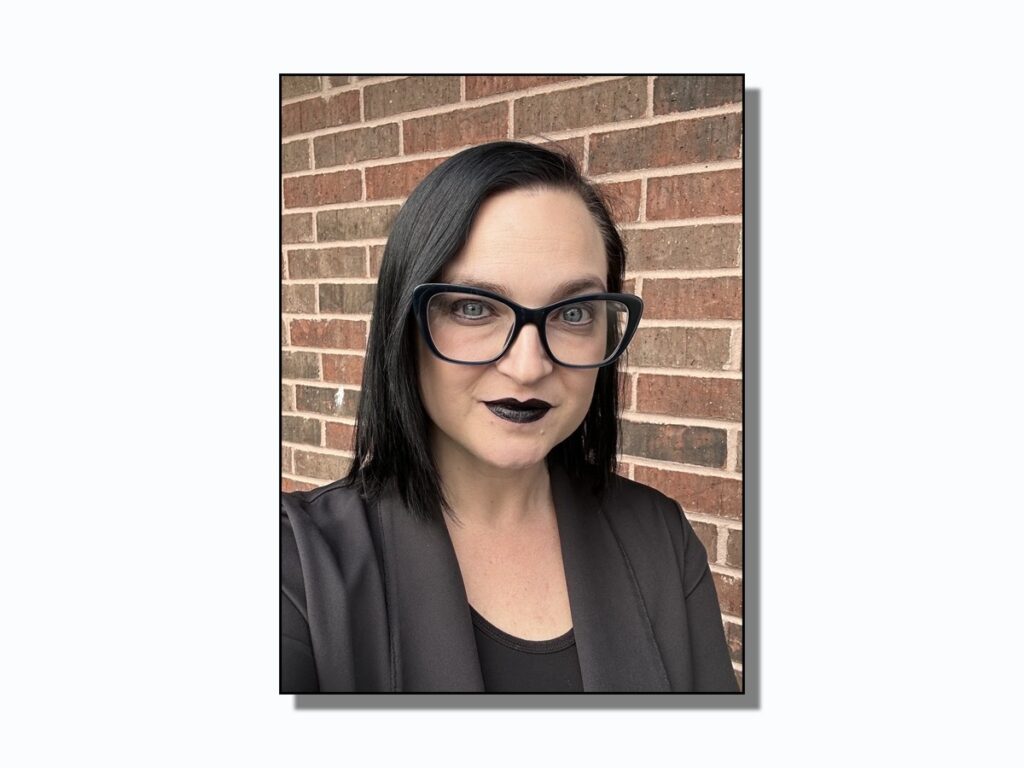
South central Oklahoma resident Brittni Joines is the middle school principal at Insight School of Oklahoma, a tuition-free, full-time online public school for students in grades 6-12.